

Chapter Five: The Lifestyle Historian Series, Part II-Learning to See
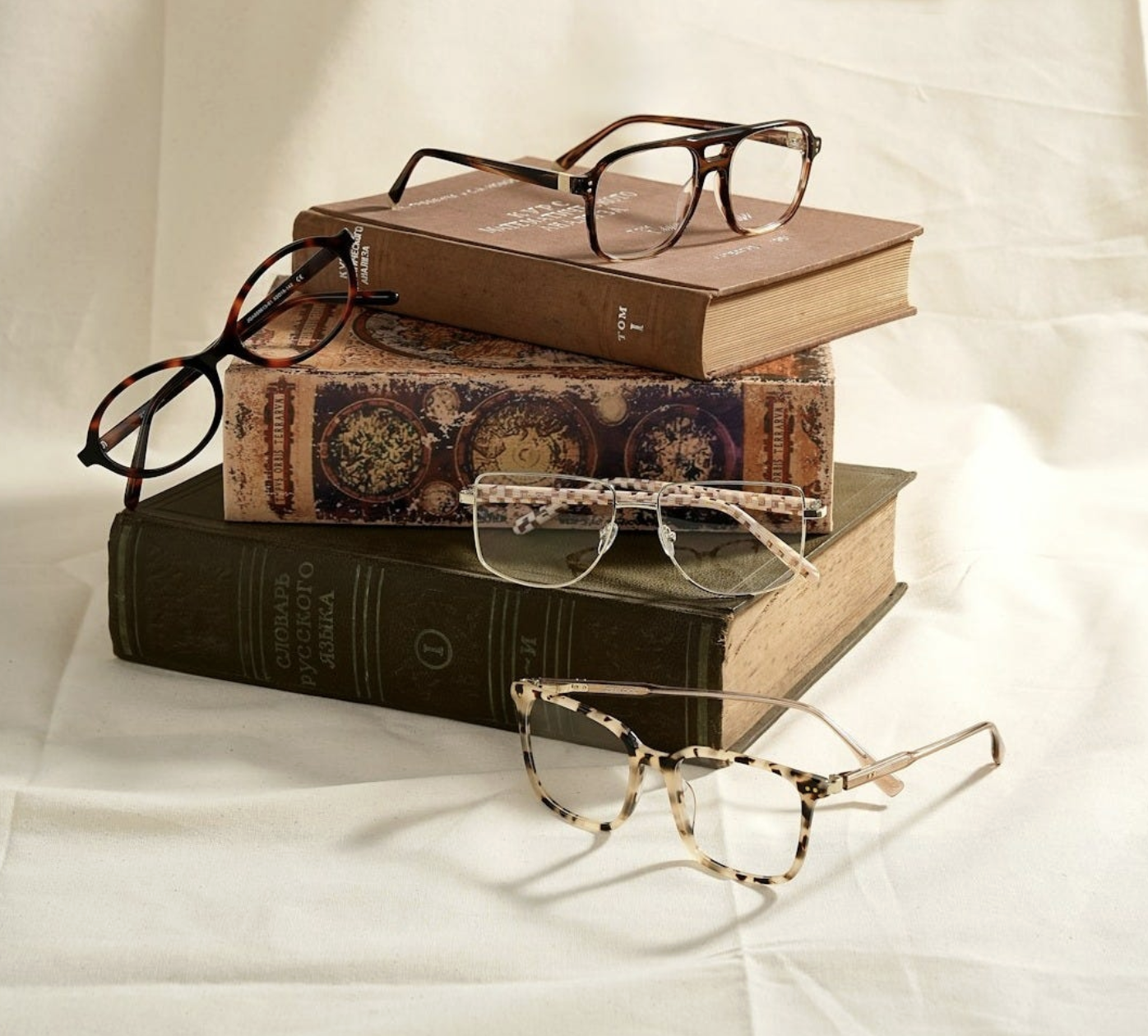
Photo by Vooglam Eyewear on Unsplash
Objects surround us.
They fill our homes, our bags, our shelves, our drawers. We handle them daily, often without pausing to consider where they came from, how they were made, or what they once meant. Over time, I have come to understand that objects hold information. They reflect habits, values, priorities, and the rhythms of everyday life. They offer insight into how people moved through the world and what they considered worth attending to.
My way of seeing began long before The Lifestyle Historian had a name. While studying journalism and working as a news reporter, I learned to ask better questions, to look beyond surface narratives, and to pay attention to patterns rather than isolated moments. History and international studies added another layer, placing people, decisions, and movements within broader cultural and global contexts.
That perspective deepened over the next twenty five years as I worked in marketing, branding, writing, and event planning. Developing campaigns, shaping messages, building experiences, and guiding teams taught me how stories are constructed and how they are received. It sharpened my ability to see what resonates, what feels authentic, and where meaning is lost when context is stripped away. This professional experience added another lens, one that pushed me to ask deeper questions and to think about how stories live beyond words.
Outside of formal education and professional roles, curiosity continued to pull at me. Travel, reading, antiquing, collecting, and research were interests I carved out time for whenever life allowed. They were constants, even when they lived on the margins of a full schedule. When I made The Lifestyle Historian my full time focus at the beginning of 2025, those long held interests finally became part of my daily life. Creating space for them was not incidental. It was essential. The work itself was built to allow that curiosity to be fully lived.
Over time, I began to notice that objects offered a different entry point into understanding history and culture. They reflected daily choices rather than official accounts. They showed how people actually lived, how they adapted, and how they responded to the world around them.
Objects are functional, intentional, and shaped by circumstance. Wear patterns reveal repetition. Materials point to available resources. Design choices reflect social norms, technology, and taste. When something changes, disappears, or is redesigned, those shifts often mirror larger developments. Why was it needed? What problem did it solve? What values did it support? And what replaced it as society changed?
Many of the objects I research are no longer part of modern life. Calling card cases, vinaigrettes, hat pins, valet stands, traveling tea sets. Their absence invites inquiry. Looking at the evolution of everyday objects opens a wider conversation. Advances in technology. Shifts in fashion. Changes in labor, travel, gender roles, and leisure. Economic pressures and global exchange. Objects sit at the intersection of these forces, offering a tangible way to trace change over time.
This perspective goes beyond familiarity alone. It considers origins, context, and continuity. Many of the things we rely on today carry long lineages behind them. Understanding those lineages adds depth and perspective. It connects the present to what came before and encourages a more thoughtful relationship with what we use and value.
Nostalgia often enters this discussion, and it deserves recognition. In my work, nostalgia functions as a way of understanding change. It helps identify what has endured, what has faded, and what people continue to reach for across generations. When approached with intention, nostalgia sharpens awareness and invites reflection.
When people feel drawn to earlier eras, they are often responding to shifts that are difficult to articulate. Changes in ritual. Changes in craftsmanship. Changes in how we gather, host, dress, or mark time. Objects from the past make those shifts visible. They give form to what might otherwise remain abstract.
This way of seeing shapes how I research, write, and tell stories. It informs how I approach objects, people, brands, and places. I look beyond the obvious. I ask how something came to be, what shaped it, and how its story continues to influence the present.
This is the box I built when existing categories no longer fit. A space where journalism, history, branding, marketing, events, travel, and personal curiosity converge. A way of seeing that treats objects and experiences as part of a larger cultural narrative rather than isolated subjects.
When we learn to look at the world through this lens, we become more discerning. More thoughtful. More aware of how the past informs the present. The details we often overlook begin to feel essential rather than incidental.
Understanding where we have been offers clarity about where we are and how we might move forward. That perspective carries across everything I study and every story I tell.
With curiosity,
The Lifestyle Historian
