

Chapter Two: The New Age of Nostalgia-Why Storytelling Is Returning to the Center of Culture
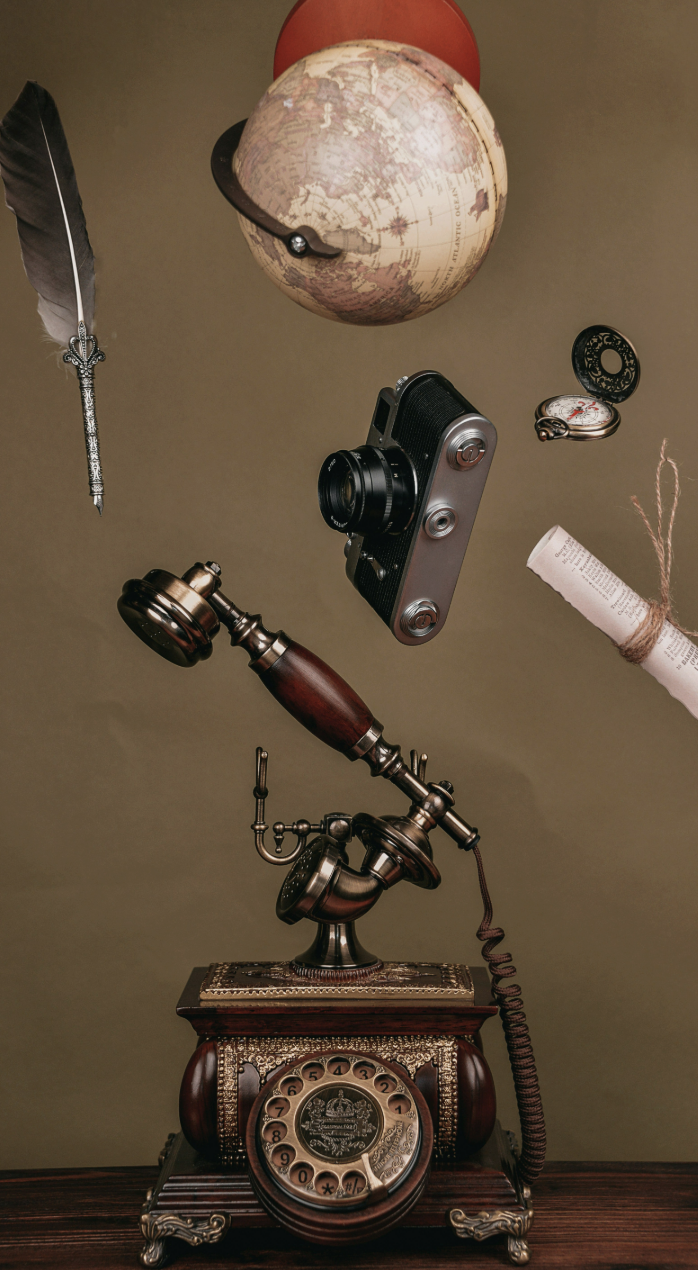
Photo by Maxim Potyomkin on Unsplash
There is a quiet shift happening across industries. Suddenly everyone is talking about storytelling. Brands are dusting off their origin stories and ads are taking us back to the good old days. Companies are searching for authentic narratives. Marketing teams are building campaigns around memory, comfort, and connection.
It all feels new, but the truth is that storytelling never disappeared. We simply stopped paying attention.
Long before social media and digital saturation, storytelling was the foundation of modern advertising. In the late 1800s and early 1900s, companies used narrative to create trust and familiarity. Early print ads often featured long copy that read like miniature stories. They introduced characters, celebrated rituals of domestic life, and connected everyday products to moments of comfort, safety, and belonging. Brands understood that people responded to meaning, not just messages.
As the century progressed, storytelling remained central. The golden age of advertising in the 1950s and 1960s leaned heavily on nostalgia, memory, and cultural identity. Car ads were narratives about freedom. Food ads were stories about home. Department stores positioned themselves as stages for community and tradition. Even the rise of television in the mid-twentieth century intensified narrative marketing. Brands knew that stories helped people make sense of a rapidly changing world.
Then came the digital age. Speed replaced story. Convenience replaced connection. Copywriting became shorter and more transactional. Brand identity gave way to algorithms. Many companies forgot what had worked for more than one hundred years.
Today we are returning to what we lost. Not because storytelling is fashionable, but because people are exhausted by a world that feels increasingly fragmented. We are craving something that feels human again.
For more than two decades, my work has centered on brand management, marketing strategy, and helping companies articulate who they are and why they matter. Across industries and roles, I learned that the strongest ideas always began with the same thing: story. In 2022, when I launched The Lifestyle Historian on Instagram, I finally gave that instinct a dedicated home. What began as an exploration of the history behind meaningful objects has evolved into a broader practice focused on cultural storytelling, nostalgia, and the ways narrative can help brands create connection in an increasingly disconnected world.
Storytelling is not a trend. It is a biological instinct. It is how humans make sense of complexity. It is how we feel anchored in a world that changes quickly.
But something else has been happening quietly alongside the rise of storytelling. Nostalgia has entered the cultural spotlight. Not as a sentimental feeling, but as a strategic tool. Studies in psychology, design, and commerce show that nostalgia influences trust, belonging, curiosity, and purchasing behavior.
Nostalgia is not about looking backward. It is about creating emotional continuity. It is about reminding people that meaning still matters.
In my work across design, antiques and entertaining, tea culture, travel, craftsmanship, and brand heritage, I am seeing something powerful. People respond when they feel connected to a story that is bigger than the product in front of them. They respond to narratives that remind them of rituals they miss. Spaces they loved. Objects that felt familiar in their childhood home. Traditions that make the world feel more human.
These stories guide purchasing decisions, brand loyalty, and even how people choose to spend their time. They influence how people travel, how they host, how they decorate, and how they shop.
We are entering a new era of cultural storytelling, one that is very necessary. After years of digital saturation, people want something real to hold onto. They want a reason to care again.
My work as The Lifestyle Historian exists at that intersection. I help brands uncover the stories that are already theirs. I help them understand the cultural lineage of their objects, the emotional impact of their rituals, and the role nostalgia can play in deepening connection.
In the coming year, I will be sharing more research, more object histories, more cultural insights, and more reflections on how nostalgia and storytelling shape our lives…all with the goal of connecting with people who believe that heritage, craft, and human connection still matter.
Until then, remain ever curious,
The Lifestyle Historian
