

Chapter Seven: Why Lifestyle Deserves Serious Study
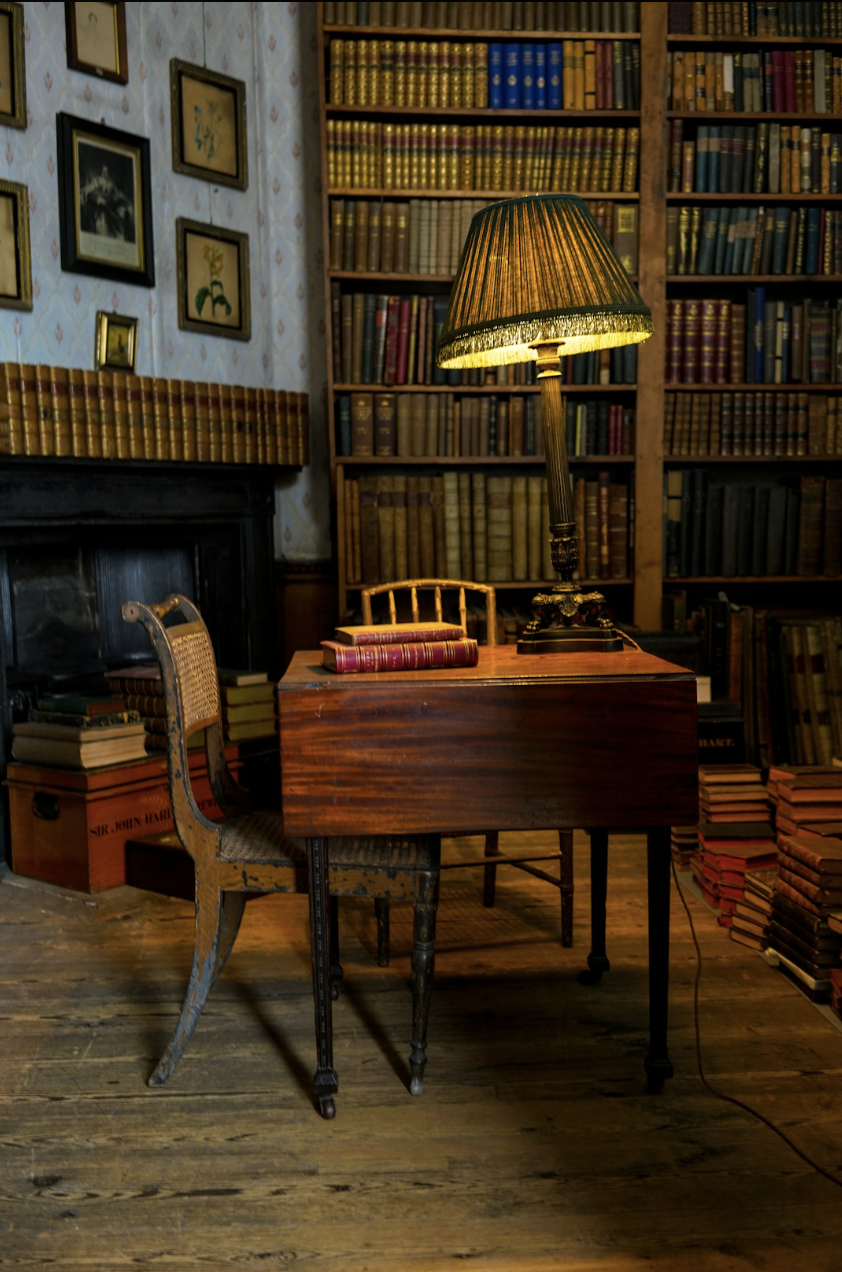
Photo by Nicola Nuttall on Unsplash
For a long time, lifestyle has been treated as something decorative. A pleasant layer placed on top of products, campaigns, or branding conversations once the practical work is finished.
That view has always felt incomplete to me.
Lifestyle is not decoration. It is one of the clearest expressions of culture we have. The way people host, travel, dress, design their homes, gather with friends, or structure the rhythm of a day reveals far more about a society than most people realize.
To pay attention to lifestyle is to study how people actually live.
It means noticing the rituals people return to without thinking, the objects they keep close, the environments they create for themselves, and the habits that shape their daily lives. None of these things look especially significant on their own. Over time they form a record of what people admire, what they aspire to, and how they define comfort, beauty, and belonging.
Historians have always understood this. Some of the most revealing records of any period are not government documents or financial reports. They are letters, clothing, table settings, architecture, travel journals, and the ordinary objects people lived with every day. The details of daily life tell us how people saw the world around them.
Certain companies grasped this idea long before storytelling became a marketing trend.
They understood that people are rarely drawn to products alone. People are drawn to environments, values, and identities that reflect how they want to live.
Ralph Lauren built an entire universe around this idea. His work extended far beyond clothing. Campaigns referenced ranches, coastal houses, equestrian culture, libraries, and long dinners around well-set tables. The clothing fit naturally inside that world, but the larger appeal was the life being portrayed.
Hermès followed a similar path. Its history in saddlery expanded into travel goods, silk scarves, home objects, and equestrian heritage. The brand expressed a worldview shaped by craftsmanship, movement, and tradition. Each object reinforced the same sensibility.
Neither company relied on a single story. They built a consistent way of seeing the world.
That consistency allowed customers to recognize themselves inside the brand. Over time it created familiarity, trust, and cultural presence that extended well beyond individual products.
In recent years the language of storytelling has spread across nearly every industry. The phrase appears in presentations, marketing strategies, and brand discussions everywhere. This shift reflects something important. People have become far more aware of the narratives surrounding the things they buy and the companies they support.
At the same time, audiences have become more perceptive.
They recognize when a narrative is added late in the process or constructed purely for effect. They also recognize when a company genuinely understands the culture surrounding its work.
That distinction matters.
Story is not something that can simply be attached to a product. It grows out of a deeper understanding of the environments people inhabit, the rituals they value, and the visual and cultural signals that feel believable to them.
When companies take the time to understand those patterns, the result is far more compelling than a clever campaign. It creates coherence. Every object, environment, and message begins to point in the same direction.
This is the work that has held my attention for years.
I have always been drawn to the details of how people live. The way a table is set before guests arrive. The objects someone collects while traveling. The atmosphere of a well-designed room. The rhythm of a household or a gathering.
Those details may appear small. Taken together they reveal something larger about taste, identity, and culture.
Lifestyle deserves serious study because it sits where culture becomes visible. It shows us what people value, what they admire, and how they hope to live.
Once you begin to notice those signals, you start to see them everywhere.
With Curiosity,
The Lifestyle Historian
