

Chapter Ten: We Say We Want Connection. Then We Scroll.
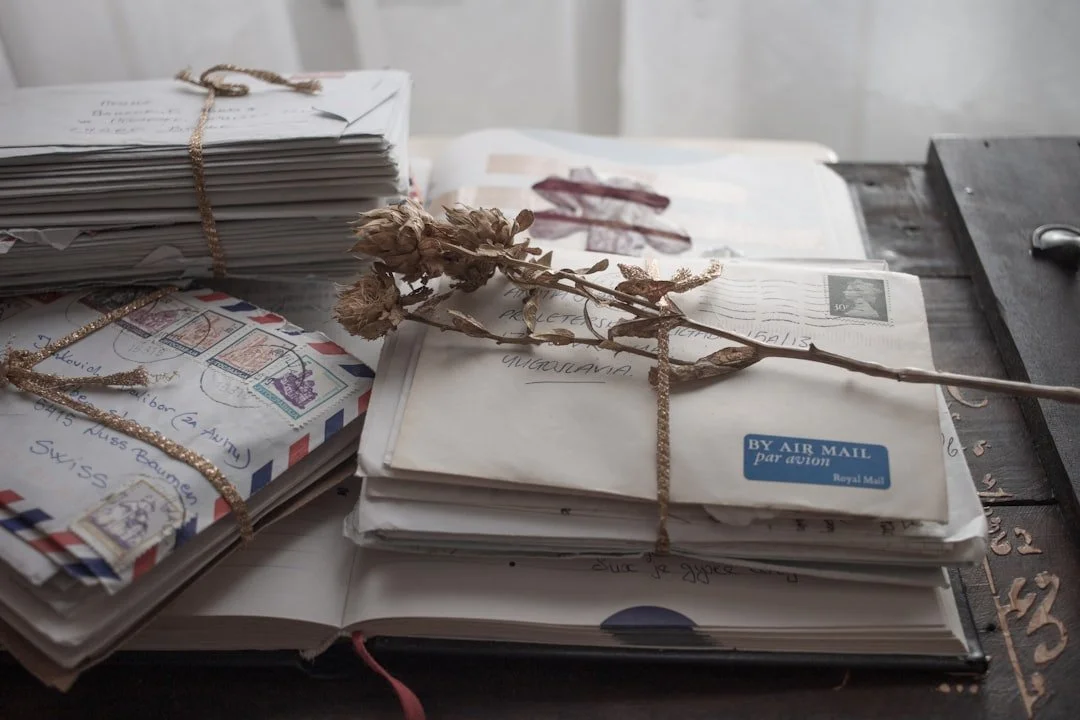
Photo by Anita Jankovic on Unsplash
I enjoy studying the ways in which we can connect. Through objects, through trade, through the slow migration of a recipe or a ritual across centuries and continents. What I have found, every single time, is that connection does not happen by accident. It requires intention. It requires someone to make a choice.
That is as true today as it has ever been.
We live in a moment that offers more ways to connect than any previous generation has ever had access to. And yet something is not working. The tools are everywhere. The willingness is harder to find as most of us live in the gap between wanting connection and actually choosing it.
I also find myself thinking about connection in a more immediate sense. The kind that happens, or fails to happen, right here. Between the person writing and the person reading.
I will be honest with you about something. There is an irony in writing a long piece about connection that some of you will not read all the way through. I am aware of it. And rather than ignore it or pretend it is not true, I want to sit with it for a moment, because I think there is something important inside that irony.
We live in a culture that rewards brevity. Short captions. Quick takes. Content designed to be consumed in seconds and forgotten just as fast. I understand the pressure. I feel it too. And I am not here to judge anyone for how they move through a noisy, demanding world. We are all managing more than we let on.
But I have made a deliberate choice not to surrender to it entirely. Not because longer is always better, but because some things cannot be compressed without losing what matters most. I am not going to flatten everything I think and feel and research into a punchy three-line caption simply because that is what performs well on a particular platform. That is not working smarter. That is cutting corners and calling it strategy.
There is a difference between those two things. I think many of us sense it, even when we are not sure how to name it.
I am a thorough person. I care about nuance and context and the full picture. And I have had to ask myself, more than once, why the burden of adjustment always seems to fall on the person who is paying attention. This is not bitterness but genuine curiosity.
I do have to be careful here, because I do not have the answers. I am merely posing the questions.
I know that connection looks different for everyone. I know that the way information is received is deeply personal, and that what feels natural to one person can feel genuinely inaccessible or overwhelming to another. ADHD and ADD are real. The way certain minds process long-form text is not a character flaw or a lack of effort. It is neurology. It is lived experience. And any conversation about depth and attention that does not make room for that truth is not a full conversation.
So I am not telling you that you must read everything, or that the only path to meaningful connection is exhaustive complete attention at every moment. That would be its own kind of narrowness.
What I am asking us, all of us, is to notice where our attention goes when we do have a choice. To question, honestly and without judgment, whether the habits we have built around information and connection are actually serving us. Whether we are scrolling because we need to, or because we have simply forgotten that we are allowed to stop.
Connection, real connection, requires something from us. It requires us to choose it. And that looks different for every person. Reading slowly. Listening on a walk. Returning to something later instead of deleting it in a hurry. Pausing over a single image long enough to ask what story it carries.
None of those are shortcuts. All of them are forms of attention. All of them count.
What I know for certain is this: there are so many stories that are worth the effort.
The history behind everyday things, both past and present, is not trivial. It is the record of human ingenuity, adaptation, and longing. When we learn that a simple domestic object traveled across continents and was transformed by every culture it passed through, we are reminded that no one arrived at who they are alone. We were shaped by one another. We still are.
That is the gift that cultural storytelling offers. Not just knowledge, but perspective. Not just information, but a sense of belonging to something larger than your own corner of the world.
The Lifestyle Historian exists because I believe people are hungry for that perspective. Because I believe that when you understand where something comes from, you feel differently about it. You hold it with more care. You see the person on the other side of it more clearly.
And in a world that moves as fast as ours does, that kind of seeing feels quietly radical.
So I will keep writing. I will keep going long when the story requires it. I will keep choosing depth over performance, and context over convenience.
And I will keep trusting that the right readers will find their way here. That you will read at your own pace, in your own way, and take what is useful and leave what is not. That you will be patient with me when I am thorough and long-winded, just as I will be patient when my writing is overlooked for something shorter, punchier, and surface level.
We are all doing the best we can with the attention we have. That, too, is something we have in common.
Thank you for being here. For reading as far as you have. For caring about the story behind things.
With Curiosity,
The Lifestyle Historian
